
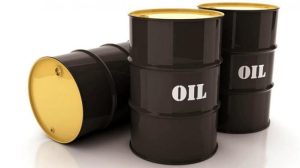
Oil prices declined by more than three percent on Wednesday as renewed hopes of a potential de-escalation in the Middle East conflict prompted traders to lock in gains following a strong rally in March.
Brent crude, the global benchmark for Nigerian crude oil, fell to approximately $100.64 per barrel, while U.S. West Texas Intermediate (WTI) dropped to around $98.04 per barrel.
The decline comes after weeks of upward momentum driven by geopolitical tensions linked to the ongoing Iran-related conflict, which had raised fears of supply disruptions across key oil transit routes.
However, recent signals suggesting a possible easing of hostilities have shifted market sentiment, leading to a wave of profit-taking among investors.
Market participants reacted to reports indicating diplomatic efforts aimed at reducing tensions in the region. While no formal resolution has been reached, even the prospect of reduced conflict risk was enough to trigger a correction in crude prices, which had climbed above the $100 mark amid heightened uncertainty.
Despite the current pullback, underlying risks remain firmly in place. Analysts continue to warn that critical infrastructure damage and ongoing security concerns around major shipping routes, particularly the Strait of Hormuz, could still disrupt global supply chains.
The strategic waterway handles a significant portion of the world’s oil shipments, making it a focal point for market sensitivity.
In addition, supply-side constraints persist due to reduced output from members of the Organization of the Petroleum Exporting Countries (OPEC) and its allies.
Production cuts, both voluntary and forced, have tightened global supply in recent months, providing structural support for oil prices even as short-term sentiment fluctuates.
The recent price movement highlights the delicate balance between geopolitical developments and market fundamentals.
While easing tensions may reduce immediate supply fears, the broader outlook remains uncertain given the fragile state of global energy infrastructure and ongoing production limitations.
Investors are expected to closely monitor further developments in the Middle East, as well as any updates from OPEC regarding output policy. Short-term volatility is likely to persist as markets respond to evolving headlines and shifts in risk perception.


Be First to Comment