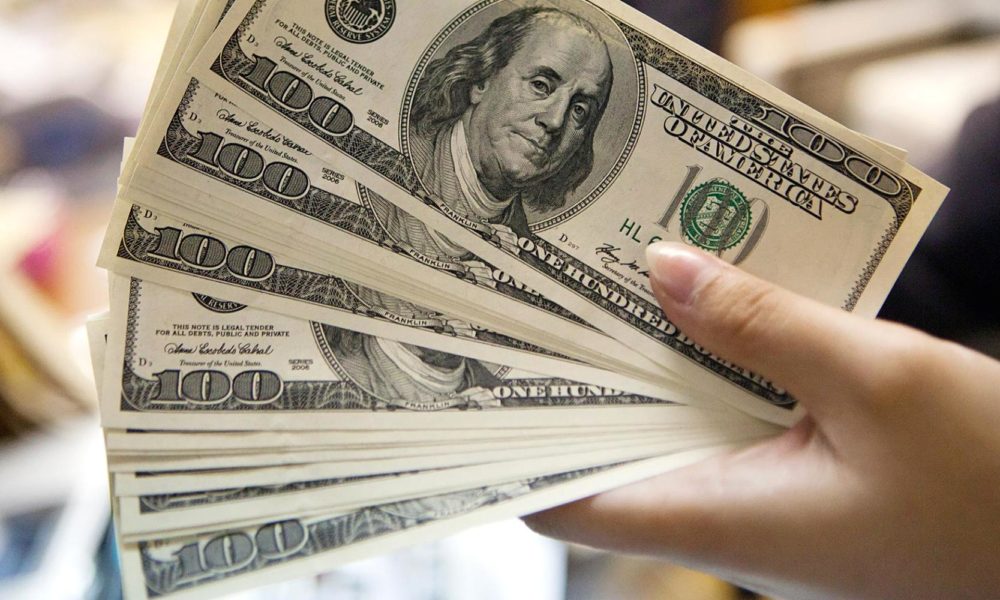
Nigeria’s external reserves crossed the $53 billion mark for the first time in more than 17 years, rising to $53.11 billion as of August 24 from $45.57 billion at the start of 2026.
Data from the Central Bank of Nigeria showed gross external reserves at $53.112 billion as of August 24, 2026, the strongest position recorded since January 2009.
The latest level puts the reserve stock close to the $53.25 billion recorded on January 12, 2009, marking a significant recovery in Nigeria’s capacity to meet foreign currency obligations and respond to pressures in the foreign exchange market.
Reserves have increased sharply since the beginning of the year.
Nigeria started 2026 with approximately $45.57 billion in external reserves, meaning the country’s dollar buffer has expanded by about $7.54 billion in less than eight months.
That represents growth of approximately 16.6 percent since the start of the year.
The pace of accumulation accelerated particularly from June, when reserves stood at $49.96 billion on June 3.
By July 3, the balance had climbed to $51.53 billion before moving beyond $52 billion later that month.
Reserves subsequently reached $52.86 billion on August 21 and crossed $53 billion three days later.
The buildup provides the Central Bank with a larger pool of foreign currency at a time when maintaining liquidity in the foreign exchange market remains important for naira stability.
A stronger reserve position can also improve Nigeria’s ability to meet external debt payments, finance essential imports and provide reassurance to foreign investors about the availability of foreign currency.
The increase has coincided with a relatively stronger naira in the official foreign exchange market.
The local currency traded around N1,343.59 per dollar at the Nigerian Foreign Exchange Market on Wednesday, strengthening from N1,346.98 per dollar at the start of the week.
Foreign exchange activity also increased, with interbank turnover reaching $235.99 million on Wednesday, up from $152.59 million on Monday.
The combination of rising reserves and improved market liquidity provides the CBN with a stronger position from which to manage periods of increased demand for dollars.
Nigeria’s reserve level has also moved beyond the CBN’s earlier 2026 projection of about $51.04 billion.
At $53.11 billion, the reserve stock is already more than $2 billion above that projection with several months remaining in the year.
The increase is important for investors because reserve adequacy is one of the indicators used in assessing a country’s ability to withstand external shocks and meet foreign currency commitments.
For Nigeria, the rebuilding of reserves also addresses one of the weaknesses that previously undermined confidence in the foreign exchange market, when dollar shortages made it difficult for some foreign investors and businesses to repatriate funds.
Continued reserve accumulation would provide additional support for the country’s external position, although sustainability will depend on the strength of foreign exchange inflows and the amount required to meet government obligations and market demand.
Attention will therefore shift to whether Nigeria can maintain reserves above $53 billion while preserving foreign exchange liquidity and keeping the naira relatively stable through the remainder of 2026.