Africa’s digital economy is growing quickly. Mobile money is now part of everyday life in many parts of the continent, while more government services, financial platforms and businesses are moving online. But every new digital service also creates another point that needs to be protected.
As more organisations digitise, the demand for cybersecurity professionals is growing with it. Banks, fintechs, telecoms, government institutions and other businesses need people who can understand the risks, respond to threats and help build systems that are secure from the start.
I follow this shift closely, not only as an advocate for women in the industry, but as a finance leader who sees, directly, how the cost of cyber risk and the cost of talent shortages both land on the same balance sheet. Cybersecurity is no longer a line item IT owns alone. It is a workforce investment question, a risk-pricing question, and increasingly, a question that finance leadership is expected to have a considered view on.
One development that deserves more attention is the growing presence of African women in cybersecurity. This is bigger than a conversation about representation. Africa needs more skilled cybersecurity professionals, and women are an important part of that talent pool.
Across the industry, women are taking on roles in security operations, governance, risk and compliance, technology, policy and other areas of cybersecurity.
The people entering the industry today will play an important role in shaping how African organisations respond to the cyber threats of the coming years. Those threats will become more sophisticated as businesses adopt artificial intelligence, cloud technologies, digital identity systems and other connected services.
We therefore need a cybersecurity workforce that is not only technically capable but also broad in experience and perspective. There is also a common misconception about what a career in cybersecurity looks like.
Not every role requires someone to be a software engineer or a penetration tester. Cybersecurity needs lawyers, policy specialists, risk professionals, compliance experts, data specialists, communicators, and people who understand how technology affects businesses and society.
Governance, risk and compliance, in particular, sits closer to finance and business strategy than most people realise. Assessing an organisation’s cyber risk exposure, pricing that risk into enterprise risk frameworks, and deciding how much to invest in prevention versus response are financial judgements as much as technical ones.
Women who have built careers in finance, audit, risk management or business strategy already carry much of the analytical foundation this work requires. What often stands between them and a cybersecurity career is not capability. It is simply never having been shown that the door was open.
That wider view creates more opportunities for women to enter and grow within the industry. But getting more women into cybersecurity is only one part of the challenge. Keeping them there and helping them progress is just as important.
Organisations need to create clearer career paths, provide access to mentors, and give women opportunities to take on leadership responsibilities. Senior professionals also have a role to play by actively sponsoring emerging talent and creating opportunities for the next generation. Visibility matters too.
For a young woman considering a career in cybersecurity, seeing other women doing the work can make the possibility feel more real. A woman in Lagos, Accra or Nairobi should be able to look at the industry and see people she can learn from and roles she can aspire to.
Universities, regulators, professional bodies and businesses all have a part to play in creating that pipeline. Africa’s digital transformation is not slowing down, and neither are the risks that come with it. We cannot afford to overlook capable people while the need for cybersecurity expertise continues to grow.
The progress African women are making in cybersecurity is encouraging. The next step is to
make sure that progress is supported with the opportunities, mentorship, and leadership pathways needed to sustain it. If we get that right, we will not only have more women in cybersecurity. We will have a stronger cybersecurity industry for Africa.
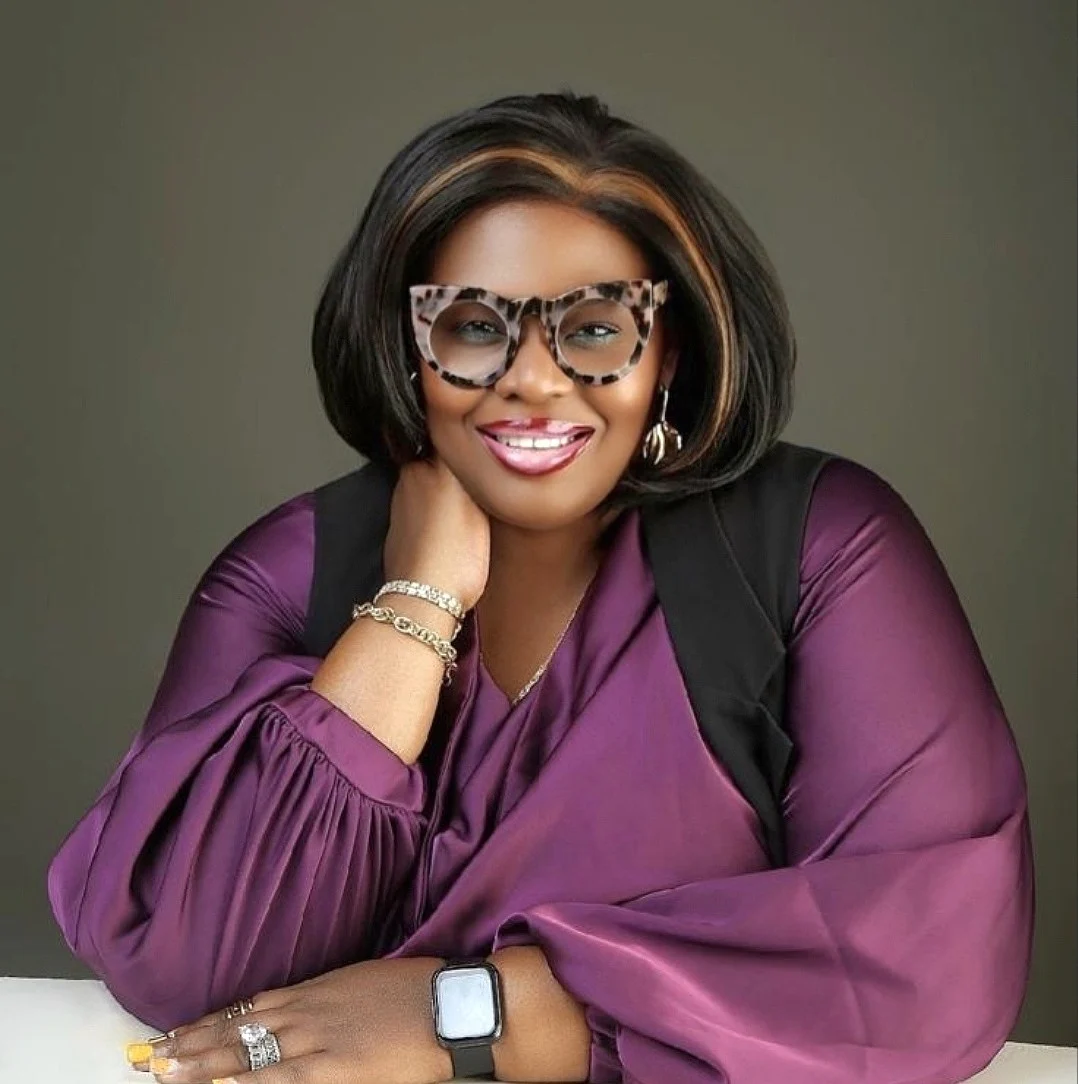
Olufunke Tonye-Preghafi is the Chief Financial Officer (CFO), Quomodo Systems Africa.