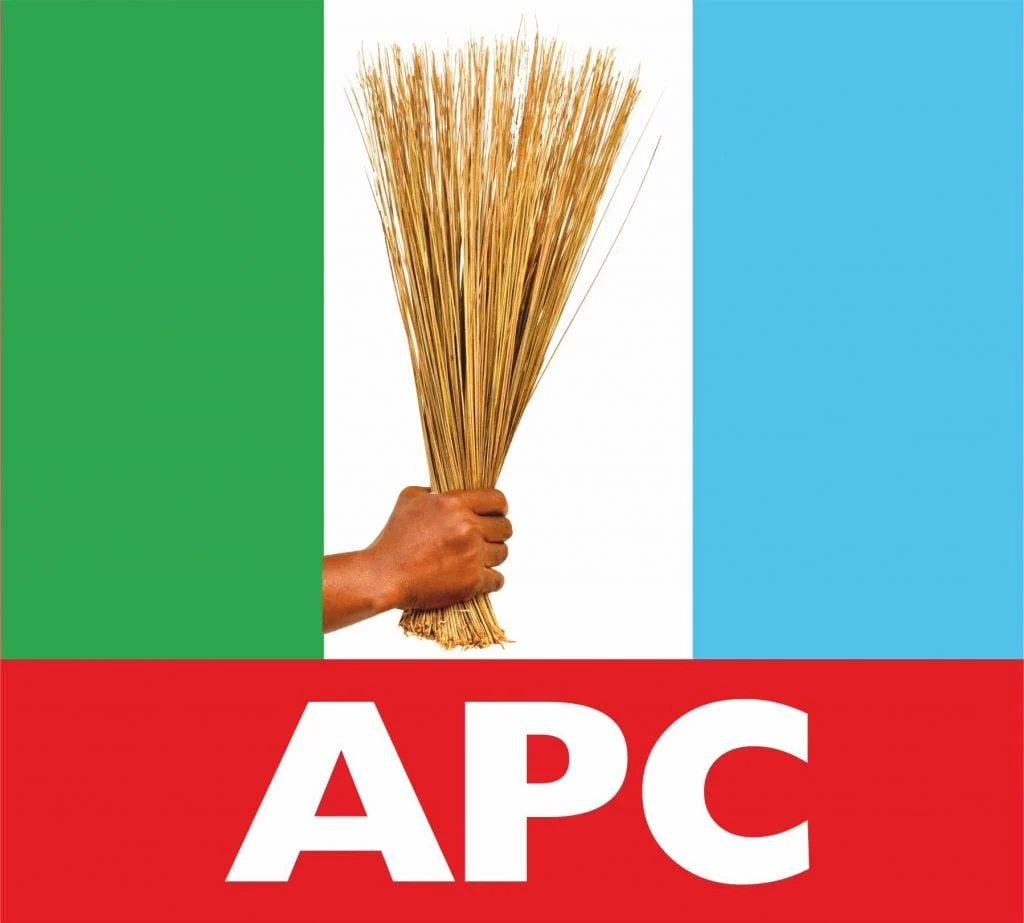
The Lagos State chapter of the All Progressives Congress, APC, has challenged opposition parties criticising the Federal Government’s 30-day petrol discount initiative to propose practical alternatives, stressing that the welfare of Nigerians should be prioritised over political interests.
The party called on opposition leaders to explain how their proposed solutions would differ from the government’s intervention, how they would be funded and how soon Nigerians could expect tangible benefits.
The Lagos APC Publicity Secretary, Seye Oladejo, made the appeal in a statement on Friday amid divided reactions to the temporary measure introduced by the Federal Government to cushion the impact of rising global crude oil prices.
The Federal Government had announced that retail outlets operated by the Nigerian National Petroleum Company Limited would suspend profit margins and sell petrol at cost price for 30 days, with public transport operators given priority.
Oladejo argued that with Nigerians facing increasing transportation, food and household expenses, opposition parties should recognise genuine efforts to ease the burden while presenting workable alternatives.
“The welfare of Nigerians must come before the political convenience of the opposition,” he said.
He described what he considered automatic rejection of the initiative as “political opportunism masquerading as economic criticism,” adding that criticism of government policies should be accompanied by practical proposals to address the country’s economic difficulties.
The APC spokesman said the Federal Government had clarified that the measure was not a return to a general fuel subsidy but a temporary and targeted reduction involving profit margins, alongside other interventions designed to ease price pressures.
However, he acknowledged that questions about the policy’s effectiveness were legitimate, insisting that its implementation should be transparent, properly monitored and assessed through measurable outcomes.
“Whether the arrangement will deliver its intended benefits is a legitimate question. Its implementation, transparency, reach and measurable impact should be scrutinised. But scrutiny is not the same as reflexive condemnation, and accountability does not require political cynicism,” he said.
On concerns about what would happen after the 30-day period, Oladejo said the issue of sustainability was valid but should not be used to dismiss the immediate relief the initiative could provide.
He urged the Federal Government to provide clear information about the arrangement, ensure that the intended beneficiaries received the benefits and explain what measures would replace the intervention before it expires.
“Nigerians deserve nothing less,” the statement added.
Responding to allegations that the policy represented a disguised return to fuel subsidy, the Lagos APC urged opposition parties to evaluate the initiative based on its actual provisions, funding arrangements and safeguards against abuse rather than dismissing it through political labels.
“If the opposition has credible evidence of fiscal irresponsibility or legal irregularity, it should present that evidence,” Oladejo said.
The party acknowledged that a month-long petrol discount would not, by itself, resolve Nigeria’s cost-of-living crisis. It called for sustained policies to stabilise prices, expand domestic refining capacity, improve fuel distribution, lower logistics costs, support public transportation and strengthen citizens’ purchasing power.
“The opposition cannot credibly demand immediate relief on one day and condemn an attempt to provide it the next, without presenting a more workable alternative,” he said.
Oladejo challenged parties dissatisfied with the initiative to state clearly what they would do differently, how they would finance their proposals and how quickly their plans would deliver practical benefits.
The Lagos APC described the intervention as a step towards providing immediate relief but stressed that its implementation must be transparent, its benefits verifiable and subsequent government measures clearly communicated.
“Our position is straightforward: support what helps Nigerians, scrutinise what requires scrutiny and improve what needs improvement,” the statement said.
“The difference between constructive opposition and opportunistic opposition is simple: one offers better answers; the other merely objects to the answers on the table. Nigeria deserves the former.”