The port and its associated industrial zone could also create business opportunities for transport operators, manufacturers, agricultural producers, construction companies and small and medium-sized enterprises across the country. However, their wider economic benefits would depend on effective implementation, supporting infrastructure and sustained commercial activity.
The Gateway International Airport in Iperu, Ikenne Local Government Area, represents another strategic asset in the region’s economic development. Improved air connectivity could facilitate business travel, cargo movement and investor access, complementing road and maritime transportation while strengthening links between Nigerian businesses and international markets.
Similarly, the region’s road network, including connections to Lagos and other commercial centres, provides opportunities to improve the movement of goods and people.
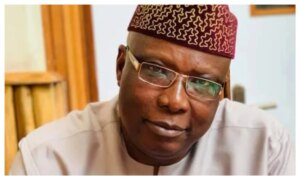
The proposed conversion of Ogere Park into a dry port, as advocated by the guest speaker at the event and former Deputy Governor of the Central Bank of Nigeria, Tunde Lemo, could further enhance the region’s logistics capacity and support more efficient freight distribution.
The emerging energy economy also presents opportunities for industrial growth. Proposed developments associated with the OgunLNG project and oil-related prospects in the region could, subject to commercial viability and successful implementation, support energy-intensive industries, attract investment and contribute to Nigeria’s broader energy economy.
For Ogun State, the combined impact of these developments could include increased economic activity, expanded employment opportunities, a stronger revenue base and the growth of new business clusters.
At the national level, the anticipated benefits include stronger industrial capacity, improved trade infrastructure, wider supply-chain opportunities and increased participation by Nigerian businesses in regional and international commerce.
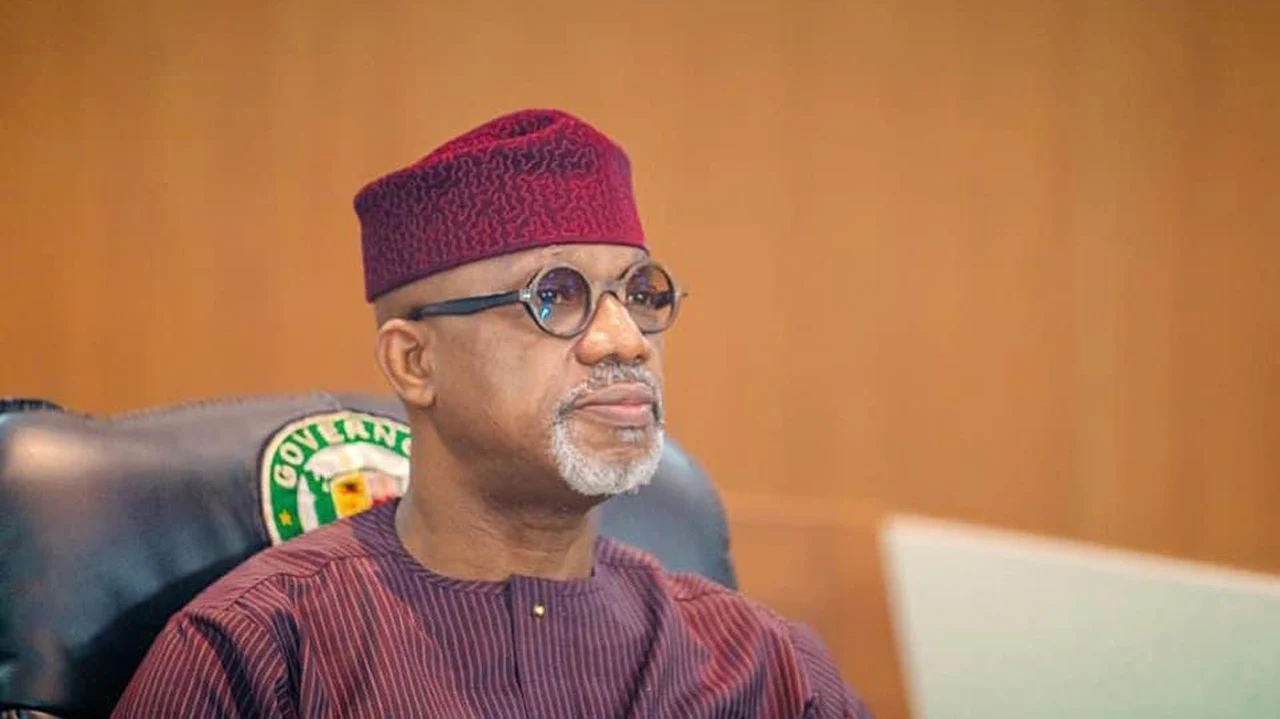
Abiodun said the region’s economic prospects underscored the importance of collective action in promoting sustainable development.
He urged community institutions to complement government initiatives through investments in education, youth empowerment and entrepreneurship.
The governor also charged Oresanya and his executive committee to prioritise youth development, community advancement and members’ welfare while strengthening collaboration with the state government in promoting peace, security, education and sustainable development.
He urged the club to invest in young people through scholarships, mentorship programmes and start-up grants for aspiring entrepreneurs, noting that sustainable economic growth required the participation of government, community institutions and responsible citizens.
Abiodun congratulated Oresanya and his executive committee, expressing confidence that their administration would contribute meaningfully to the club and society.
In his remarks, the Akarigbo of Remoland, Oba Babatunde Ajayi, acknowledged Sagamu Club’s contributions to the socioeconomic development of Sagamu and Remoland.
The monarch said the club had sustained the vision of its founding fathers through its contributions to community progress. He urged the new president to justify the confidence reposed in him and ensure that the club’s activities continued to benefit members and the wider community.
Earlier, the immediate past president of the club, Prince Abdul Abayomi, highlighted achievements recorded during his four-year tenure, including scholarship awards, artisans’ empowerment programmes and infrastructural improvements at the clubhouse.
Abayomi appreciated the founding fathers and past leaders for their contributions to the club’s growth, urging the new president to build on their achievements.
In his keynote address, Lemo said Remoland had produced numerous industrious sons and daughters who had contributed significantly to the development of Ogun State and Nigeria.
He identified the region’s strategic location and proximity to Lagos as important economic advantages that had continued to promote commercial activities and investment opportunities.
Lemo also commended Sagamu Club for its contributions to development across Sagamu and Remoland, proposing the conversion of Ogere Park into a dry port to leverage its location and strengthen trade and logistics activities.
However, he called for urgent attention to improper waste management by factories operating along the industrial corridor, warning that environmental challenges must be addressed to protect public health and ensure sustainable industrial expansion.
In his acceptance speech, Oresanya described social clubs as more than gathering places, saying they provided platforms for shared values, friendship, family connections and the mobilisation of resources for the common good.
“A social club is not just a place for gathering; it is a community bound by shared values and camaraderie, a sanctuary where bonds are forged, families are connected and resources are mobilised for the greater good of society,” he said.
Oresanya pledged to strengthen the club’s community impact, improve members’ welfare and deepen cooperation among members. He also promised to make the club more welcoming to prospective partners and ensure that its programmes responded to the changing needs of society.
The new president commended Abiodun for his administration’s development initiatives, stressing that collaboration among government, the private sector and community organisations remained essential to addressing socioeconomic challenges.
He called on members to support his administration, expressing confidence that their collective commitment would strengthen the club’s contributions to youth development, social welfare and sustainable community growth in Sagamu and Remoland.