The Federal Government has settled N1.23 trillion of its negotiated debt to electricity generation companies and ruled out an increase in electricity tariffs in 2027 as it seeks to address persistent financial challenges within Nigeria’s power sector.
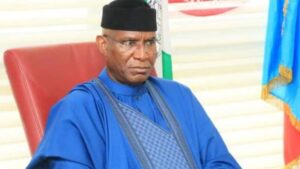
Minister of Power Joseph Tegbe disclosed this during an interview with Arise News on Monday, stating that the government intends to complete the settlement of its N3.3 trillion negotiated obligation in 2027.
The amount paid represents approximately 37.3% of the negotiated debt, leaving an outstanding balance of N2.07 trillion.
According to Tegbe, the government’s original debt obligation was estimated at N6 trillion before negotiations with generation companies reduced the amount to N3.3 trillion.
The minister said the government was exploring alternative settlement mechanisms, including offsetting certain obligations against royalties and corporate income tax.
Discussions with the Nigerian National Petroleum Company Limited are also focused on reducing gas supply costs for electricity producers.
The proposed measures are intended to improve the financial position of generation companies without transferring additional costs to electricity consumers through higher tariffs.
“There’s no plan to increase tariff,” Tegbe said.
However, the minister acknowledged that the government was reviewing the assumptions underpinning Nigeria’s electricity pricing framework.
The outstanding N2.07 trillion obligation remains a significant concern for a sector that has struggled with inadequate liquidity, infrastructure deterioration and insufficient investment.
Delayed payments to generation companies can constrain their ability to maintain equipment, meet operating expenses and settle obligations to gas suppliers.
While clearing historical debts could improve financial stability within the electricity market, preventing the accumulation of new liabilities remains equally important.
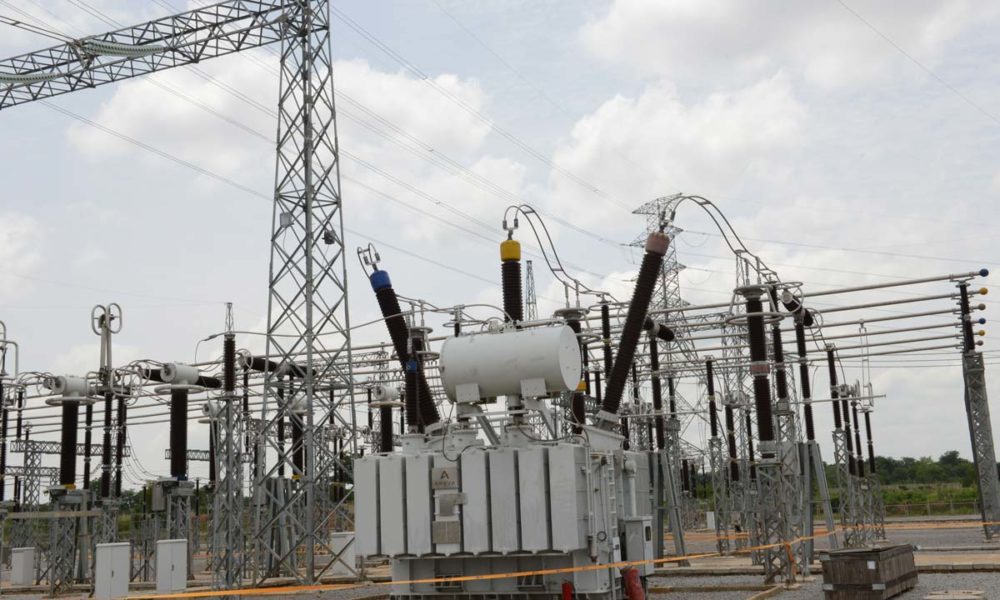
The minister also identified shortcomings in electricity transmission and distribution infrastructure as major obstacles to improving power supply.
He indicated that substantial improvements in electricity availability could take between three and five years as the government addresses longstanding infrastructure deficiencies.
For Nigerian manufacturers and small businesses, unreliable electricity remains a significant operating challenge, often requiring additional expenditure on alternative energy sources.
The government’s decision to rule out tariff increases offers some near-term pricing certainty for consumers. However, the sustainability of the existing tariff framework will depend on how effectively the sector manages operating costs, revenue collection and recurring payment obligations.
With more than 60% of the negotiated debt still outstanding, attention will now shift towards the government’s settlement mechanisms and its ability to meet the 2027 payment target without allowing fresh liabilities to undermine the process.