Nigeria faces renewed pressure on agricultural production and food prices as the developing El Niño weather pattern threatens rainfall-dependent farming activities across parts of West Africa.
The warning comes at a difficult period for farmers already confronting expensive fertilisers, higher energy costs and limited access to financing, raising concerns that another disruption to agricultural output could weaken food supplies and household purchasing power.
A new assessment by the International Fund for Agricultural Development identified Nigeria among countries potentially exposed to agricultural drought across the Sahel.
The report, released on November 9, 2026, during the United Nations climate conference in Türkiye, examined the combined effects of climate instability, rising production costs and inadequate financial protection for small-scale farmers.
According to the assessment, major El Niño events have previously been associated with rainfall deficits of between 20% and 35% in parts of the Sahel.
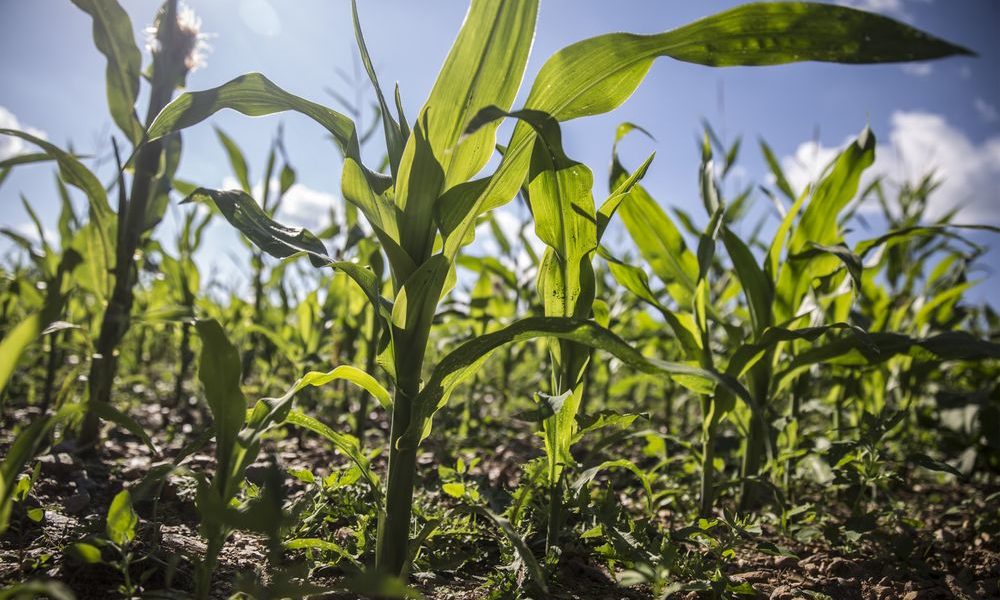
Such conditions have coincided with yield reductions of approximately 15% to 30% for important rain-fed crops, including maize, millet and sorghum.
These crops play significant roles in Nigeria’s food supply, particularly in northern farming communities where agricultural production depends heavily on seasonal rainfall.
However, the forecast covering Nigeria and the wider Sahel carries a lower level of confidence, meaning the historical losses should not be interpreted as confirmed projections for the country’s next harvest.
El Niño develops when unusually warm ocean temperatures in the tropical Pacific influence weather conditions across different regions of the world.
Its effects vary geographically, with some countries experiencing prolonged dry conditions while others face heavier rainfall and flooding.
For Nigeria, the potential economic consequences extend beyond the immediate loss of agricultural output.
A poor harvest could reduce the quantity of locally produced food entering wholesale markets, increase transportation and storage costs per unit of produce and place additional pressure on consumers.
Food-processing companies that depend on domestic agricultural raw materials could also face higher procurement costs or difficulty securing adequate supplies.
The situation is complicated by rising input costs.
Farmers who already struggle to afford fertilisers, improved seeds, irrigation and mechanised equipment may have limited capacity to respond to unpredictable rainfall.
Small-scale producers are particularly vulnerable because many lack access to agricultural insurance or sufficient savings to recover from a failed planting season.
IFAD estimates that a severe El Niño event could generate cumulative global economic losses of up to $11 trillion over five to six years.
The estimate includes agricultural damage, infrastructure losses and wider economic disruptions transmitted through international trade, commodity prices and weaker demand.
It is a global scenario rather than a forecast of losses specific to Nigeria.
The development raises fresh questions about the country’s preparedness for climate-related disruptions to food production.
Improving irrigation coverage, expanding access to affordable farm inputs and strengthening agricultural storage and distribution systems could help reduce the impact of irregular rainfall.
However, investments in physical infrastructure alone may be insufficient if farmers cannot access the financing required to use them.
IFAD’s analysis found that financial protection measures, including insurance, could reduce farm-income losses during simultaneous drought and price shocks by 9.8%.
When financial services were combined with improved agricultural inputs and stronger market access, the reduction in losses increased to 18.7%.
The findings suggest that farmers may be better protected when agricultural support programmes address production, financing and market access together rather than treating each challenge separately.
For Nigeria, the immediate priority will be monitoring rainfall conditions and crop development while ensuring that vulnerable farming communities can access the resources required to maintain production.
The government will also need to consider the potential consequences for food inflation, agricultural employment and the profitability of businesses operating across the food supply chain.
Although the severity of the developing El Niño remains uncertain, the warning highlights the economic risks of an agricultural system that remains heavily dependent on favourable weather conditions.
Without stronger protection against climate shocks, Nigeria could remain vulnerable to recurring disruptions in food supply and prices, even when broader economic conditions improve.