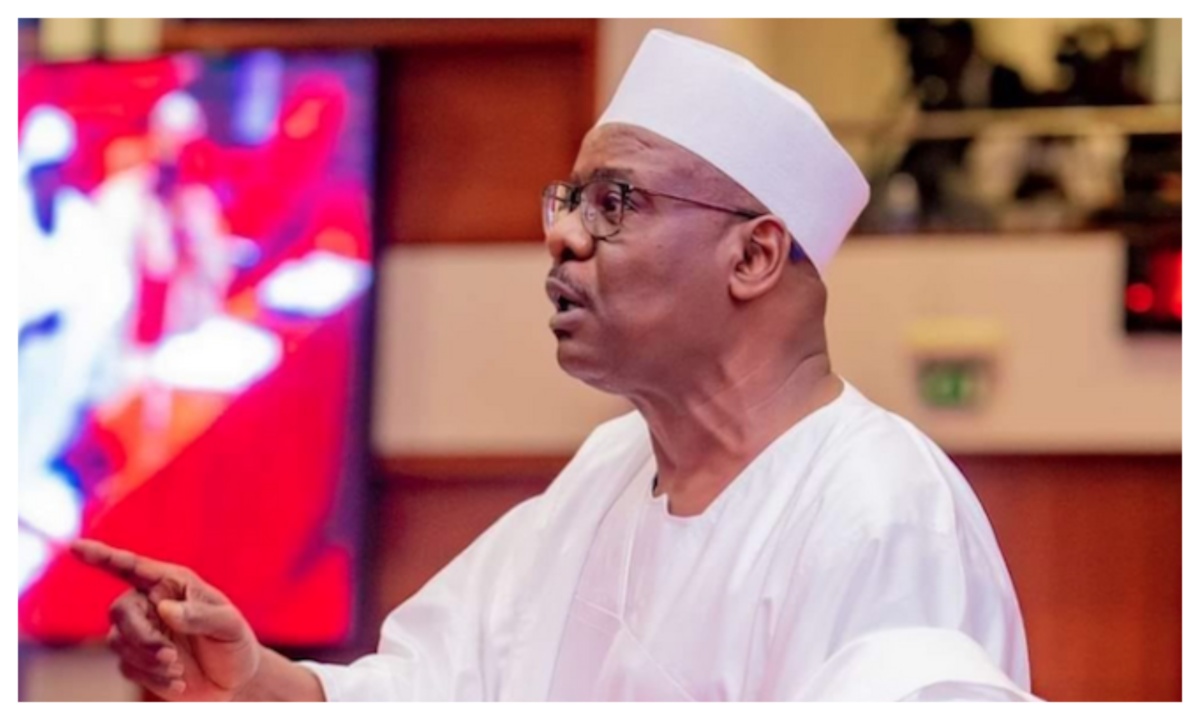
Former Senate Chief Whip, Ali Ndume, has criticized the Federal Government’s approach to tax reforms, insisting that the President is a servant of Nigerians and not the other way round.
Ndume argued that the government must earn citizens’ confidence through proper explanations and consultations before introducing policies that directly affect them.
Speaking during ARISE One on One, the senator maintained that Nigerians were not opposed to paying taxes but were concerned about the manner in which the government was implementing the tax reforms.
He said, “The President is the President of Nigeria. He’s a servant of the people. We, Nigerians, are not the servants of the President, talk less of his aides.”
According to him, the tax system has lost the confidence of Nigerians, making it necessary for the government to prioritize public enlightenment and engagement rather than imposing policies without adequate explanations.
He said Nigerians had historically paid different forms of taxes, including licences for bicycles, stressing that citizens were not inherently opposed to taxation.
However, he warned that imposing new tax measures on citizens without building public trust could generate resistance.
“The system has lost the confidence of the public and you are arrogantly imposing things on them without good explanation. When you try to talk to them, somebody told me amongst them that i will not understand. What do you mean i will not understand?” he said.
The senator further faulted some presidential aides, accusing them of making decisions and public statements that embarrass the President and the country.
He cited instances where government announcements were subsequently reversed, arguing that such inconsistencies raised questions about the competence of officials entrusted with responsibilities by the President.
Ndume noted that although the President’s decision to trust his appointees was not wrong, those officials must ensure they act in the best interest of the administration and Nigerians.
He also dismissed suggestions that his criticism was driven by personal frustration or rebellion, insisting that his comments were based on his assessment of government policies and the conduct of public officials.