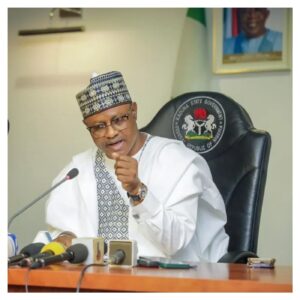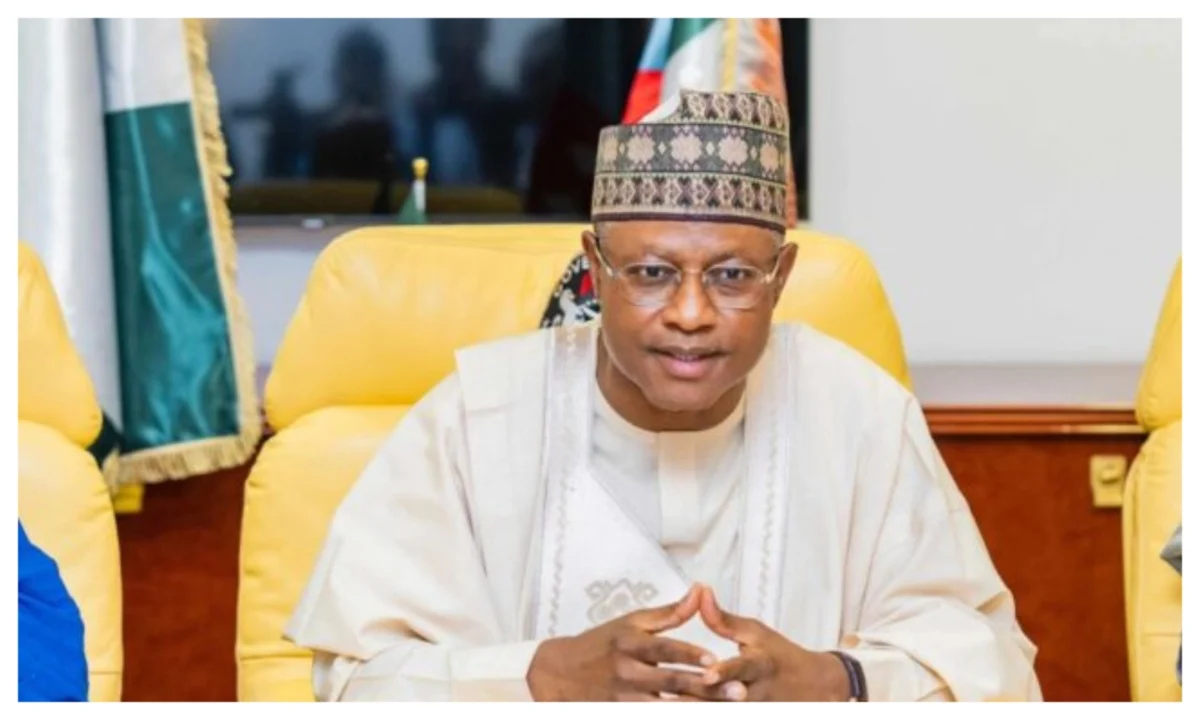
“Before 2023, Kaduna was known for fear, division and insecurity. Today, by the grace of God and by purposeful leadership, the state is enjoying relative peace and harmony.
“Farmers have returned to their farms, schools that were closed have reopened, and Muslims and Christians are living together in peace. That alone is a major achievement that must not be taken for granted,” he said.
Aliyu also praised Uba Sani’s inclusive leadership style, which has strengthened relationships between government and the people, through the involvement of traditional rulers, religious leaders, women, youths, civil society groups and non-indigenes in governance.
He urged residents of Kaduna State to support the governor’s re-election bid in 2027, warning against taking the state’s relative peace and development for granted.
“Let us not gamble with peace. Let us not abandon progress midway. I call on all indigenes of Kaduna State to come out in 2027 and vote for Governor Uba Sani for a second term, for the sake of continuity, stability and development,” the former governor said.
Similarly, the Director-General of the foundation, Engr. Abubakar Gambo Umar, said Kaduna deserves a leadership that unites its people rather than divides them, irrespective of their ethnic, religious or social backgrounds.
In his welcome address, Umar said leadership should be assessed by character, ideas and results rather than fear, stereotypes or inherited suspicions.
He expressed satisfaction with Governor Uba Sani’s performance in institution-building, expansion of opportunities, peace-building and promotion of inclusivity across the state.
The foundation’s DG described Kaduna as the headquarters of Northern Nigeria, stressing that the state’s development has implications for the entire region.
According to him, getting governance right in Kaduna would produce positive effects across Northern Nigeria, making continuity in leadership important for consolidating ongoing development efforts.
He therefore argued that Uba Sani deserves another term to consolidate what he described as the administration’s good works.
The Speaker of the House of Representatives, Tajudeen Abbas, also called on stakeholders to promote accountability, constructive criticism and inclusive governance as essential ingredients for sustainable development.
Abbas, who was chairman of the occasion, was represented at the summit by the Deputy Leader of the House, Hon Ado Doguwa.
He commended the Sir Ahmadu Bello Memorial Foundation for providing a platform for constructive engagement on security, good governance and sustainable development.
The Speaker described Kaduna as strategically important to Nigeria’s political, economic and social development, noting that the state’s experiences offered important lessons for national governance.
He said the summit also provided an opportunity to reflect on the legacy of the late Premier of Northern Nigeria, Sir Ahmadu Bello, whose commitment to institution-building, regional development and human capital development remained relevant.
Abbas said good governance should not be measured merely by government promises but by leadership qualities, institutional integrity, responsible management of public resources and the impact of policies on citizens’ living conditions.
He identified transparency, accountability, responsiveness and respect for the rule of law as essential principles of good governance.
The Speaker specifically commended Uba Sani for allowing the programmes and projects of his administration since 2023 to undergo constructive scrutiny, describing the approach as evidence of commitment to democratic accountability and improved service delivery.
He also noted that Kaduna’s ethnic and religious diversity required deliberate efforts to promote unity, trust and equal opportunities, commending the governor’s engagement with traditional rulers, religious leaders, women, youths and civil society organisations.
On security, Abbas acknowledged the continuing challenges in parts of the state, particularly recent attacks in Southern Kaduna, and sympathised with families affected by the incidents.
He said protecting lives and property remained a fundamental responsibility of government, adding that the Kaduna Peace Model, which combines intelligence sharing, inter-agency cooperation and community engagement, deserved recognition.
The Speaker also highlighted the establishment of the Disarmament, Demobilisation and Reintegration Peace and Security Committee, collaboration with federal security agencies, the Kaduna Vigilance Service and the State Security Trust Fund as initiatives aimed at strengthening security and sustaining peace.
He stressed that lasting peace required more than security operations, insisting that dialogue, trust, reconciliation and community participation were equally important.
Abbas further called for sustained investments in education, healthcare, agriculture, infrastructure and skills development, urging stronger partnerships among governments, the private sector, development institutions and local communities.
He urged participants to approach the summit with openness and objectivity, stressing that the gathering should go beyond commendation to identify areas requiring improvement and produce practical recommendations.
The Speaker reaffirmed the National Assembly’s commitment to responsible legislation and effective oversight, as well as stronger collaboration among federal, state and local governments to ensure that public resources translated into tangible benefits for citizens.
He also described traditional institutions as indispensable partners in promoting social cohesion, resolving disputes and mobilising communities for development, urging participants to translate the summit’s resolutions into practical actions, stronger institutions and improved living conditions.
The summit brought together government officials, traditional rulers, civil society leaders, development partners and other stakeholders to deliberate on inclusivity, good governance and sustainable development in Kaduna State.