The Federal Government plans to reduce its reliance on borrowing by attracting more domestic and foreign private investment to finance infrastructure development and support economic growth.
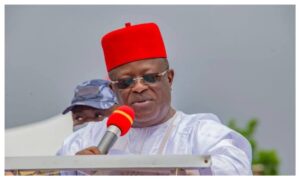
Minister of Finance Taiwo Oyedele disclosed the strategy as Nigeria seeks to expand economic activity without depending excessively on government debt to fund new investments.
The government intends to make private capital a major source of financing for the next phase of economic expansion, particularly in sectors requiring substantial long-term investment.
The approach comes as Nigeria faces growing demands for infrastructure, industrial development and public services alongside the need to manage its existing debt obligations.
Oyedele said the government is targeting average annual economic growth of approximately 7% over the next five years, exceeding the International Monetary Fund’s projections of 4.2% for 2026 and 4.3% for 2027.
Achieving that target would require increased investment in productive sectors and improvements in the conditions under which businesses operate.
The government’s strategy is expected to encourage greater participation by private investors in infrastructure, manufacturing, energy and other sectors capable of supporting employment and economic expansion.
By attracting private financing, the government could reduce the amount of public borrowing required for some development projects while directing available resources towards other spending priorities.
However, the success of the approach will depend on Nigeria’s ability to provide a stable investment environment, predictable regulations and commercially viable projects.
Investors considering long-term commitments typically assess foreign exchange conditions, infrastructure availability, regulatory requirements and the prospects for recovering their investments.
These considerations remain important for Nigeria, where businesses continue to face high financing costs and infrastructure constraints.
Greater private sector participation could also support the development of domestic capital markets by increasing demand for long-term investment instruments and creating opportunities for institutional investors.
Nevertheless, private financing does not automatically eliminate fiscal obligations, particularly where projects involve government guarantees, subsidies or other contractual commitments.
The government will therefore need to balance its objective of reducing direct borrowing with the financial obligations that may arise from privately financed infrastructure projects.
Nigeria’s ability to sustain stronger economic growth will depend on how effectively the investment strategy translates into new projects, productive capacity and employment opportunities.