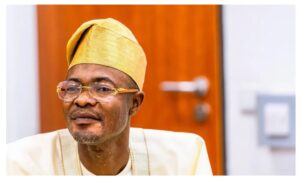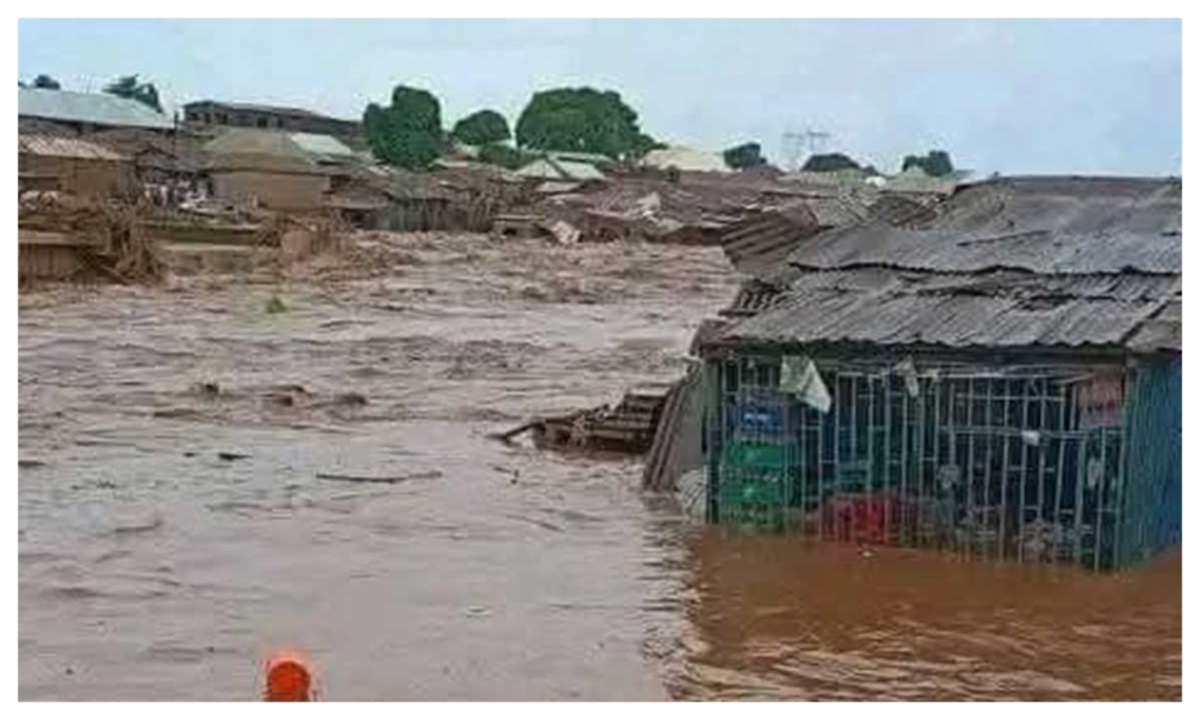
A community activist, Abubakar Isah Mokwa, has called on the Niger State Government to account for donations reportedly running into billions of naira for victims of the May 2025 flood disaster in Mokwa.
Isah, popularly known as Senator Isah Mokwa, also urged the EFCC, ICPC and Federal Government to investigate the management of funds and relief materials donated after the disaster.
In a statement issued to journalists in Minna, he said many victims remained impoverished and displaced despite government’s assurances and donations received following the tragedy.
He recalled that the May 29, 2025 flood claimed hundreds of lives, destroyed homes and businesses and displaced several families across the town.
He also demanded explanations over the proposed ₦16.7 billion bridge reconstruction project, as well as other federal and state government commitments to the affected communities.
Isah lamented that promised housing projects and reconstruction of damaged bridges had yet to provide visible relief to many survivors.
He further alleged irregularities in the distribution of food and other relief materials. According to him, “some genuine victims were excluded while supplies were allegedly diverted”.
Citing records attributed to the Niger State Emergency Management Agency, NSEMA, Isah said only about 300 beneficiaries were documented to have received ₦1 million each as accommodation assistance, amounting to ₦300 million.
He admitted that the estimated ₦4 billion donation figure was based on estimates and had not been established through an independent audit.
Challenging Governor Mohammed Umaru Bago, he said, “We want him to publish a comprehensive account of donations received, including the names of donors, dates and amounts contributed, expenditure, beneficiaries and the balance remaining in the emergency account.”
He noted that transparency would help residents establish how resources meant for flood victims had been utilised.
Beyond financial accountability, Isah called for comprehensive drainage and flood-control infrastructure, reconstruction of damaged bridges, as well as the rehabilitation of affected schools and the Mokwa General Hospital.
He also demanded permanent resettlement for displaced families and direct assistance to residents whose businesses, farms and other sources of livelihood were destroyed by the flood.
The activist insisted that survivors needed lasting government intervention to rebuild their lives rather than temporary relief measures.