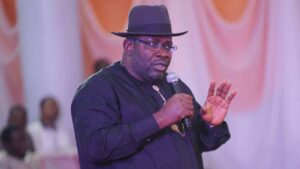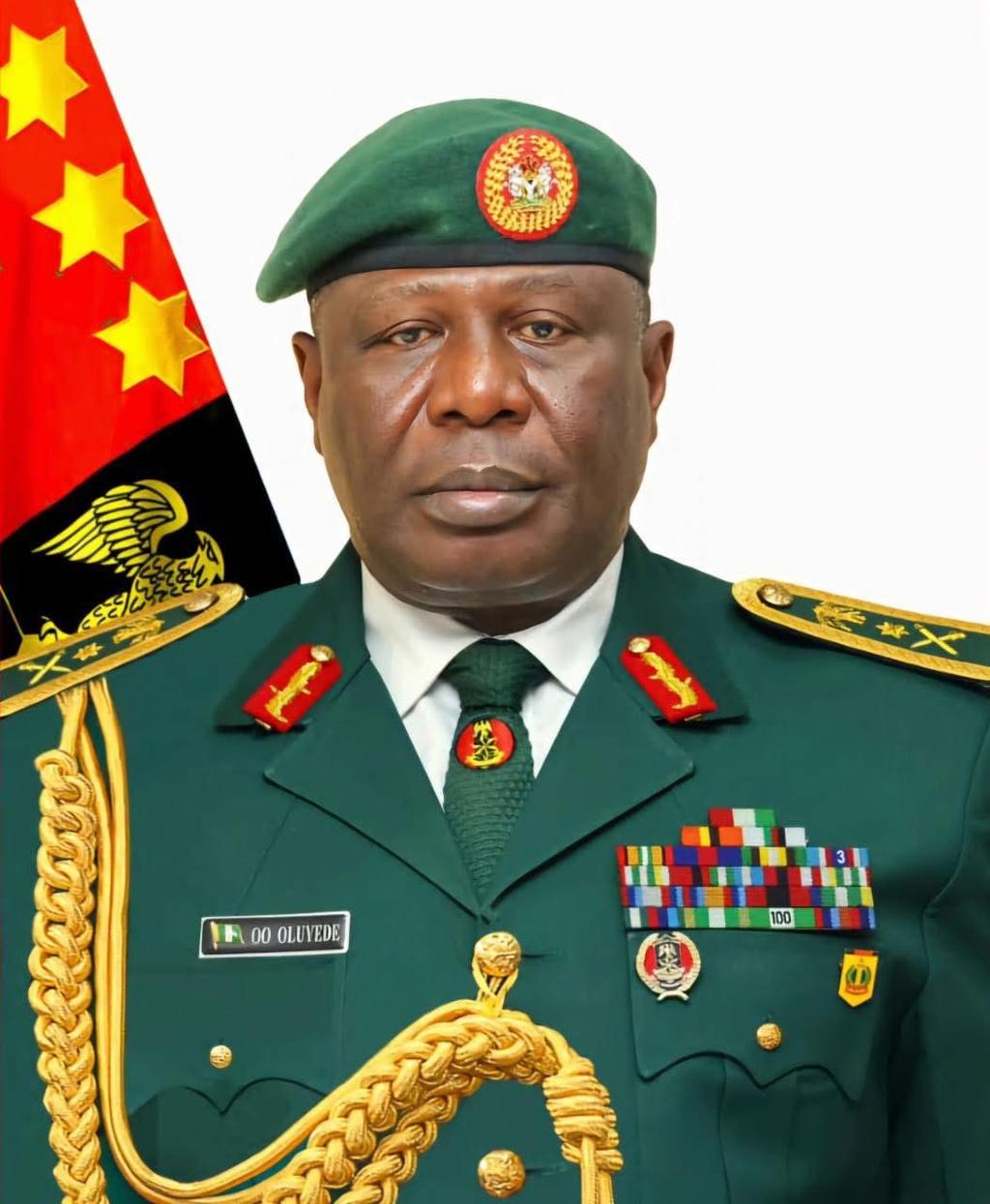
Oluyede made the call on Tuesday in Abuja while speaking at the Defence Headquarters Strategic Communication Workshop 2026.
The workshop, themed “Enhancing Strategic Collaboration Between Spokespersons of Security Agencies and Media Stakeholders for Accurate and Responsible Reportage Towards Improved National Security,” brought together spokespersons of security agencies, media executives, editors and online publishers.
The Defence Chief described the gathering as an opportunity to strengthen cooperation between the military and the media, noting that the contemporary security environment had become increasingly complex due to the convergence of physical, informational and cognitive dimensions of warfare.
Oluyede expressed concern over the growing spread of misinformation and disinformation across Nigeria’s expanding media landscape, warning that old photographs and videos were sometimes presented as recent incidents, thereby creating unnecessary fear and weakening public confidence.
He also highlighted the growing threat posed by artificial intelligence, which he said could be used to manipulate images, audio recordings and videos or generate fabricated scenarios capable of misleading unsuspecting members of the public.
The Chief of Defence Staff urged journalists and media organisations to prioritise verification before publishing information, stressing that accuracy must take precedence over speed and sensationalism.
He also called for improved media capacity to identify and counter AI-generated content and other forms of manipulated information.
Quoting former institutional commander Jonathan Riley, Oluyede said: “It is therefore vital that any commander does his best to ensure that whatever story is put out to the media and thereby by the media is true and therefore credible.”
He maintained that the media remained an important national security partner whose activities complemented military operations through non-kinetic efforts.
According to him, accurate and timely reporting helps Nigerians understand the objectives behind military operations, thereby strengthening public trust and support for the Armed Forces.
However, he cautioned that media reporting must take operational security into consideration, warning that the premature disclosure of troop movements, locations, capabilities and other sensitive details could expose personnel to danger and jeopardise ongoing operations.
Oluyede stressed that the military did not expect journalists to abandon their professional responsibilities in the interest of national security.
Rather, he advocated a relationship built on mutual respect, professionalism, trust and the dissemination of objectively assessed and analytically interpreted information.
He further expressed confidence that sustained engagement, stronger communication structures and specialised training for defence correspondents would help address information gaps often exploited by hostile forces.
The Defence Chief also acknowledged President Bola Tinubu’s commitment to creating an enabling environment for transparency and independent media reporting.
He equally appreciated the Minister of Information and National Orientation, Mohammed Idris, who was represented at the event by the Director-General of the Voice of Nigeria, Mallam Jibrin Baba Ndace.
Earlier, Idris, through his representative, declared the workshop open and called for a more cordial working relationship between security agencies and media practitioners.
He emphasised the importance of cooperation between both sectors in ensuring responsible reportage and strengthening national security.
Oluyede expressed optimism that the discussions and relationships established at the workshop would contribute to improving communication and deepening cooperation between security institutions and the media.